










 Über uns
 Magazin
 Kontakt



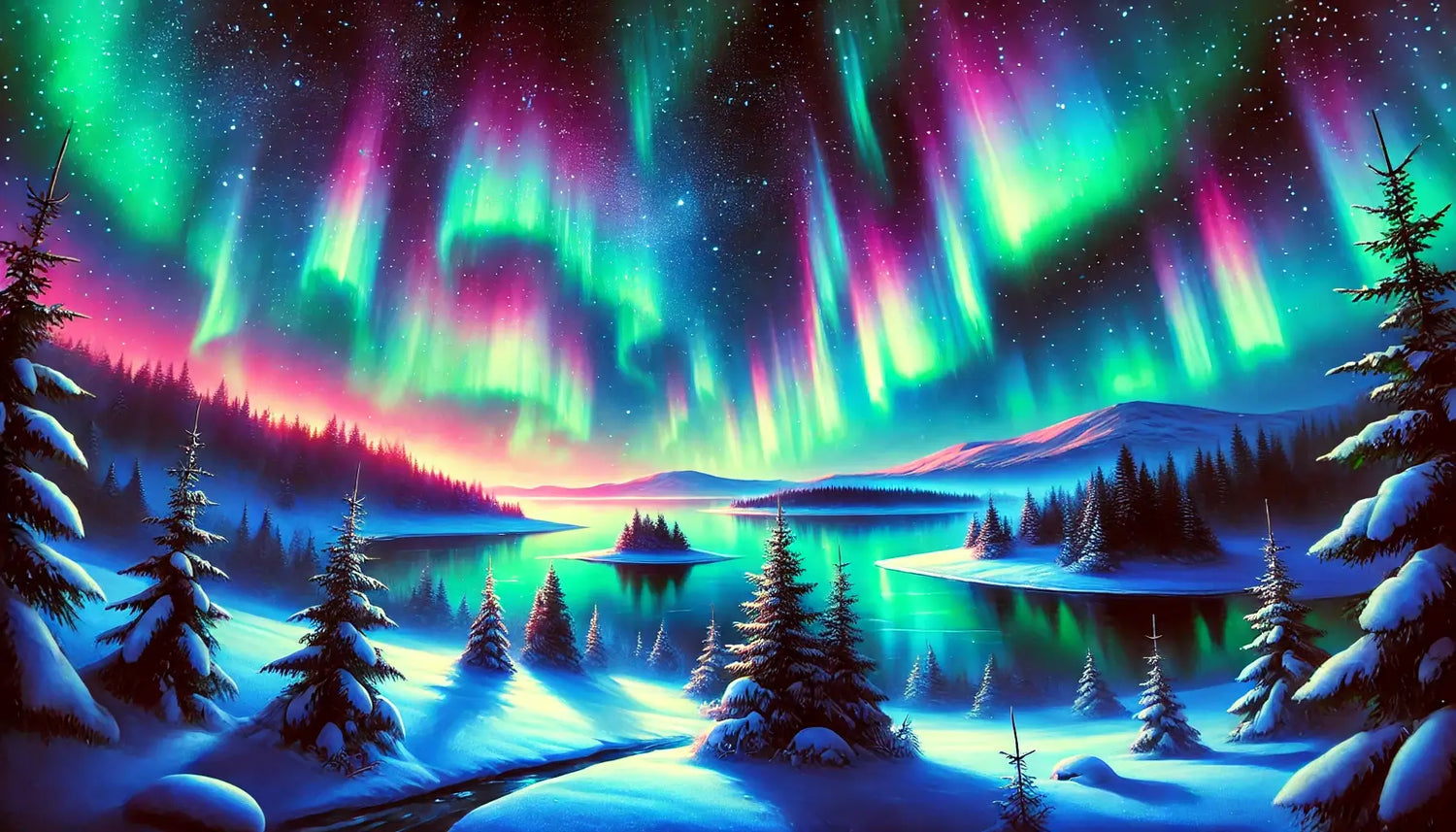

The Northern Lights – also known as the Aurora Borealis – are among the most impressive natural phenomena in the world. These dancing lights in the night sky have fascinated people for centuries and captivate adventurers from all corners of the earth. But many wonder: When can you see the Northern Lights? The answer depends on various factors, such as the time of year, location, and weather conditions.
What makes the Northern Lights so special is their unpredictability, which makes the experience even more magical. One moment the sky is dark, the next green, pink, or even violet lights shine above you – a spectacle that will never be forgotten.
This article will tell you not only when the best time to see the Northern Lights is, but also how to prepare perfectly for it. Anyone wanting to experience this natural spectacle should know exactly where and when the chances are highest.
Best time to see the Northern Lights
The best time to see the Northern Lights is during the darker months of the year. Autumn and winter, in particular, offer ideal conditions, as the nights are longer and the skies clearer. But when can you see the Northern Lights, and which season is the best choice?
In Scandinavia, Iceland, Canada, and Alaska, the aurora season usually begins in September and lasts until March. October and February are considered peak months, as the weather is often more stable and offers clear skies. Autumn brings mild temperatures and fascinating reflections of the aurora on lakes and rivers, while winter boasts snow-covered landscapes and deep darkness.
Proximity to the equinox also plays a role. In September and March, geomagnetic activity is particularly high, which increases the intensity and frequency of auroras. In the summer months, however, the chances are almost zero, as the nights in northern regions are not dark enough.
In summary: If you want to experience the magic of the Northern Lights, you should travel between September and March, pack warm clothes and aim for a clear sky – this will make the nighttime sky observation unforgettable!
Optimal time for observing the Northern Lights
The Northern Lights are best seen in the late evening and night hours, when darkness is at its peak. If you're wondering when you can see the Northern Lights, keep an eye out for the period between 10:00 PM and 2:00 AM. During this time, the sky is darkest, and the chances of witnessing this fascinating natural spectacle increase significantly.
The intensity of the auroras depends on geomagnetic activity, which manifests as irregular waves. Therefore, it's worth being patient and taking your time to observe them. It's also important to be far enough away from cities or other light sources, as light pollution can significantly impair your view of the sky.
For many, the Northern Lights are an unforgettable experience, almost like a gift from nature. A clear sky, a remote location, and the right time of day are the crucial factors for enjoying this gift.
Tip: Forecast apps and websites can help you plan the best viewing times. With a little preparation and choosing the optimal time, nothing will stand in the way of that magical moment under the stars!

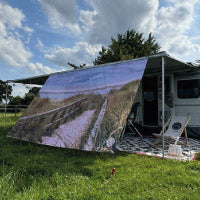
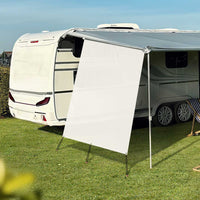
Personalized sunshade sail from Campidoo
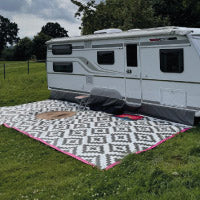
Discover the innovative textile awning sunshade with photo print – a brilliant combination of aesthetics and functionality, and a top gift idea all in one. There are times when we want to protect our privacy, and sometimes we simply want a little shade where we need it. This sunshade provides both privacy and shade. It's easily inserted into the awning's keder rail, ensuring a secure hold. The eyeleted bottom edge makes tensioning it simple.
Order nowTop travel destinations to see the lights
The northern latitudes, in particular, offer perfect conditions.
In Scandinavia, Norway, Sweden, and Finland are particularly popular. Tromsø in Norway is often called the Northern Lights capital of the world. Here, you can not only see the aurora borealis but also enjoy winter activities like dog sledding. In Sweden and Finland, places like Abisko and Lapland attract visitors with their endless darkness and extraordinary glass hotels that offer unobstructed views of the sky.
Iceland is another highlight for Northern Lights enthusiasts. Around Reykjavik or in remote areas, you can experience the Aurora Borealis while simultaneously exploring the island's spectacular landscape.
Outside of Europe, Canada and Alaska are the top destinations. The probability of seeing the Northern Lights is particularly high in Yukon, Churchill, and Fairbanks. These regions also offer breathtaking wilderness and a true sense of adventure.
Table: Top destinations for seeing the Northern Lights
| country | Location | Special feature |
|---|---|---|
| Norway | Tromsø | Northern Lights capital, fjord landscape |
| Sweden | Abisko | Aurora Sky Station, clear view |
| Iceland | Reykjavik | Combining Northern Lights & Natural Wonders |
| Canada | Yukon, Churchill | Intense Northern Lights, wilderness |
| Alaska | Fairbanks | High probability of visibility |
Weather conditions and light pollution
The right weather conditions play a crucial role in observing the Northern Lights. A cloudless sky is essential, as even thin clouds can obscure the view of this spectacular display. In northern regions like Norway, Sweden, or Canada, the weather is often unpredictable, so it's advisable to plan at short notice and check current weather forecasts.
It is equally important to choose a location with as little light pollution as possible. Artificial light sources such as streetlights or illuminated buildings significantly impair visibility and make the colors of the Northern Lights appear paler. Particularly remote locations away from large cities offer ideal conditions to experience this celestial phenomenon in its full intensity.
The moon can also play a role: nights with a new moon or little moonlight are particularly suitable, as the sky is darker and the lights stand out more clearly.
In summary, a clear, dark night in a secluded location offers the best conditions for enjoying this fascinating celestial phenomenon. Patience and good preparation increase the chances of an unforgettable experience!

Great product recommendations
Witnessing the Northern Lights is a unique experience that often requires hours in the cold night. However, with good preparation, this adventure can be enjoyed comfortably and in a relaxed manner. The right equipment plays a key role, especially if you want to create the best possible conditions while camping.
A reliable campervan heater is a must for nights like these. It ensures you can return to a comfortably warm space after observing wildlife. Especially in the colder northern regions, an effective heater can make all the difference.
Camping tableware is also essential. Hot drinks like tea or cocoa not only keep you warm but also create a pleasant feeling under the starry sky. Robust and lightweight tableware is ideal for traveling.
Appropriate lighting ensures the right atmosphere and safety. Headlamps or portable LED lanterns are perfect for illuminating the path or setting up camp without completely disturbing the darkness – thus preserving an unobstructed view of the Northern Lights.
With the right equipment, your camping experience under the Northern Lights will not only be impressive, but also comfortable and safe. Preparation is key!
Great apps and websites for prediction
However, apps and websites can significantly improve your chances of seeing the lights by closely monitoring geomagnetic activity and weather conditions. These tools offer real-time information, forecasts, and alerts about when and where the Northern Lights are most likely to appear.
Aurora forecasts based on the so-called KP index are particularly useful. This index indicates the strength of geomagnetic activity and helps you find suitable viewing windows. Many apps also offer maps with light pollution data and weather forecasts to help you choose the perfect location.
Here are some recommended apps and websites:
- My Aurora Forecast : Real-time forecasts and location recommendations.
- Aurora Alerts : Alarm function for aurora activity.
- Aurora Forecast by SoftServe : Detailed KP index data.
- SpaceWeatherLive : Comprehensive solar activity updates.
- Aurora-Service.eu : European forecasts with weather integration.
With these tools, you'll be perfectly prepared to experience the magical lights.
Summary of when you can see the Northern Lights
The question of when to see the Northern Lights is not easy to answer, as it depends on various factors such as the season, the weather, and geomagnetic activity. Nevertheless, there are certain times and places that offer the best chances of experiencing this impressive natural spectacle. From autumn to early spring, conditions are optimal, especially in remote, light-pollution-free regions like Scandinavia, Iceland, or Canada.
With the right preparation, reliable equipment, and good planning, the chances of witnessing this fascinating celestial event are high. Essential tools such as weather forecasts, aurora apps, and dependable camping gear make the experience even more comfortable and unforgettable.
Anyone wishing to experience the magical lights of the Aurora Borealis should be patient and prepared for an adventure. For the Northern Lights are a gift of nature that illuminates not only the sky, but also the heart.