










 Über uns
 Magazin
 Kontakt







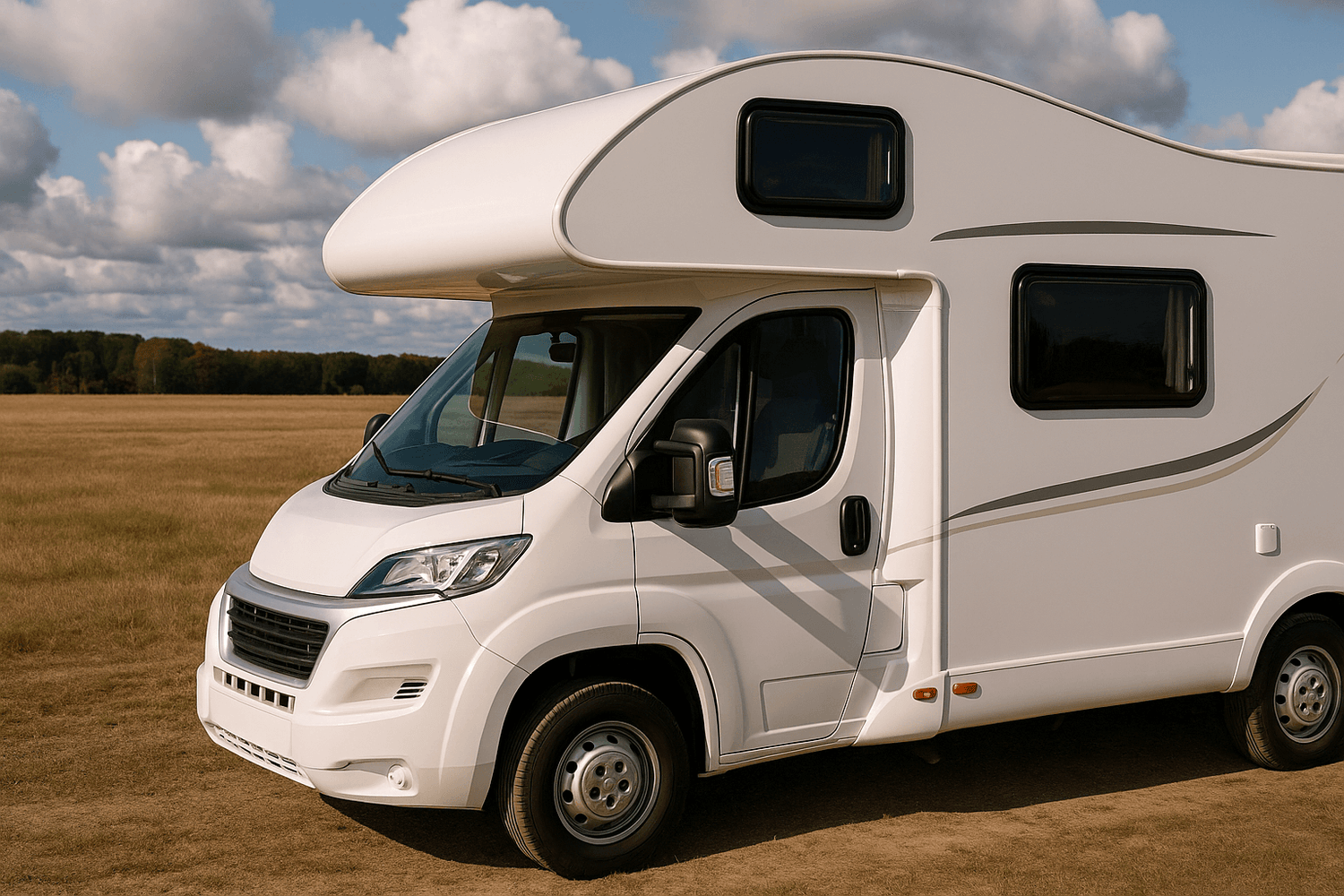

Moisture in a motorhome can quickly become a serious problem – from hidden mold to costly structural damage. That's why leak testing is a crucial part of regular motorhome maintenance. It helps identify leaks early and protect the vehicle in the long term. Many manufacturers even require annual testing to maintain warranty coverage.
But what exactly happens during a leak test? Who is authorized to perform it, and what costs can you expect? This article will tell you everything you need to know about the process, testing intervals, and the risks of neglecting it. Whether you own a new vehicle or a used campervan, proper inspections protect not only your vehicle but also your investment. Read on to learn how to effectively protect your motorhome from moisture damage.
When and how often should the test be performed?
A leak test for motorhomes should be carried out regularly to detect damage caused by moisture ingress early on. This is especially important for new vehicles, as many manufacturers require an annual test to maintain their leak-proof warranty. If this deadline is missed, the warranty claim can be permanently voided – even for a minor delay.
However, regular inspections are also worthwhile for used motorhomes or vehicles outside of the warranty period. A check is particularly recommended after winter storage or if leaks are suspected. The rule of thumb is: the older the motorhome, the higher the risk of porous seals, cracks, or damaged joints.
Those who have their vehicle professionally inspected also receive written documentation – a plus when reselling it. For those who inspect their vehicles themselves: even without proof, regular checks are better than none at all.
- New vehicle with warranty: annually, as prescribed by the manufacturer
- Used vehicle: at least every 1-2 years
- After extended periods of inactivity or winters: inspection recommended.
- If visible signs of moisture are present: immediate inspection is necessary.
Who is authorized to perform a leak test?
Ideally, a motorhome leak test should be carried out by an authorized workshop – especially if the vehicle is still under manufacturer's warranty. Many manufacturers require that the test be performed exclusively by certified partners to maintain warranty coverage. These workshops have specialized moisture measuring equipment, trained personnel, and the necessary experience to detect even hidden damage.
While it's generally possible to perform a visual inspection or a simple moisture check yourself, this doesn't replace an official inspection with documentation – and could lead to costly repairs in a worst-case scenario. Those who want to be on the safe side should regularly use professional service providers.
By the way: Other maintenance tasks, such as cleaning the water tank in your motorhome, should also be carried out regularly. This will keep your vehicle well-maintained and ready for use.
- For warranty purposes: authorized repair shop required.
- Certified partners offer test reports and documentation.
- Self-monitoring is possible, but not recognized for warranty purposes.
- Professional inspection increases safety and value retention

Furniture foil golden bird
Order nowProcedure for a professional leak test
A leak test for a motorhome is carried out in several clearly defined steps. The aim is to detect any potential leaks early on, before moisture penetrates the vehicle interior and causes damage. The test is performed in a workshop by trained specialists using specialized measuring equipment.
First, the vehicle is inspected externally – especially all joints, window frames, skylights, and attachments. Then, a systematic moisture measurement is taken on the interior walls. An electronic measuring device is used to measure the moisture content of the wall structure. Suspicious areas are marked and checked again later.
The entire inspection typically takes 30 to 60 minutes. At the end, the vehicle owner receives an inspection report with measurement results and any recommended actions. If leaks are detected, a repair proposal can be provided directly. Regular documentation is not only important for maintaining the vehicle's value but also serves as proof in the event of a warranty claim.
| Test step | Description |
|---|---|
| External visual inspection | Inspection of all joints, windows, doors, and attachments |
| Interior measurement | Moisture measurement with electronic measuring device |
| Evaluation of the measurement results | Identification of critical points and risk assessment |
| Creation of test report | Documentation including recommendations for action in case of defects |
How much does a leak test cost for a motorhome?
The cost of a leak test for a motorhome varies depending on the provider, vehicle type, and region. It typically ranges from €50 to €120 per test. For vehicles still under manufacturer's warranty, regular testing is usually mandatory to maintain the warranty – making it a worthwhile investment in preserving the vehicle's value.
Some workshops offer the inspection as part of a package during larger maintenance services, which can save costs. It's important that the service provider is certified and issues an official inspection report – especially for vehicles under warranty. If leaks are detected during the inspection, additional repair costs may arise. These are not included in the base price and should be calculated individually.
In the long run, early diagnosis saves real money, as water damage is among the most expensive problems in the motorhome sector. Those who plan ahead can combine the inspection with other services or give it as a gift voucher – a unique idea for any camper enthusiast. You can find inspiration in our article about gifts for campers .
- Average costs: approx. €50–120
- Additional repairs will cause extra costs.
- Certified testing offers legal certainty.
- Package deals are worthwhile for regular maintenance.

Consequences of a missed leak test
Neglecting to perform a leak test on a motorhome can have serious consequences – both financial and safety-related. Moisture damage often goes unnoticed and spreads slowly throughout the vehicle's structure over weeks or months. The result: mold growth, swollen wood, damaged insulation, or even structural weaknesses.
The loss of warranty claims is particularly critical. Many manufacturers link their leak-proof warranty to regular, documented inspections. If even one deadline is missed, the entire warranty can be voided – even for a minor delay.
A lack of inspection history also negatively impacts resale value. Potential buyers increasingly value complete maintenance documentation, especially for higher-priced vehicles. And last but not least, you risk disputes with your insurance company in the event of an accident if negligence can be proven.
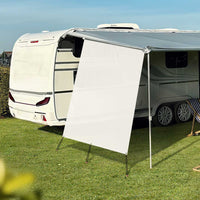
Our tip: Use regular maintenance to keep your motorhome in top condition – for example, with a new sun awning for the next season.
- Slow water damage caused by undetected leaks
- Loss of warranty or guarantee claims
- Depreciation upon resale
- Disputes with insurance companies in the event of damage
Check your motorhome yourself: Tips for prevention
While a professional leak test for your motorhome remains essential, you can do a lot yourself to detect and prevent moisture early on. Regular visual inspections are the first step: look for discolored areas on walls and ceilings, musty smells, or damp upholstery – all of these can indicate water ingress.
With a simple moisture meter from a hardware store, you can check critical areas yourself, such as around windows, doors, skylights, and attachments. Seals also deserve special attention: If they are porous, cracked, or already coming loose, they should be replaced or treated.
Prevention also includes good ventilation – especially after showering or cooking. Regularly check the seals after long journeys, after winter, or after heavy rainfall. Consistent maintenance and vigilance can significantly reduce water damage and save you money in the long run.
- Regular visual inspection inside and outside
- Use a moisture meter for self-monitoring
- Clean, maintain, and replace seals if necessary.
- Ventilate your motorhome well – especially after rain or use.
Conclusion on leak testing of motorhomes
A leak test for your motorhome is far more than a formal requirement – it's an essential measure to protect your vehicle. Moisture damage is among the most common and expensive problems with motorhomes. Regular testing not only preserves the value of your camper but also secures warranty claims and ensures long-term functionality.
Whether it's a new vehicle with a manufacturer's warranty or a used campervan: the inspection should be carried out annually or at least every two years. And even if you can take some precautions yourself, this doesn't replace a professional inspection with measuring equipment and documentation.
Our tip: Schedule the leak test before or after the camping season – that way you can start your holiday worry-free. Taking precautions in advance saves you from unpleasant surprises and high repair costs. You can find more tips about motorhomes in our magazine.