




 About us
 Magazine
 Contact


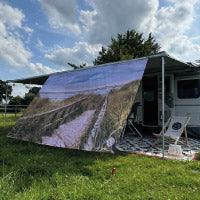

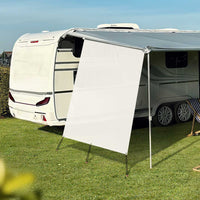

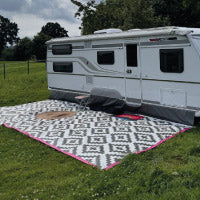
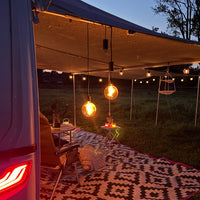
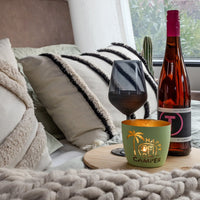


Table of Contents
- Camping Gear for Families: The Essentials at a Glance
- Choosing the Right Family Tent
- Sleeping Systems: Sleeping Bags and Sleeping Mats for Children
-
Camping Packing List for Families: Don't Forget Anything
- Age-Appropriate Packing Lists: Toddlers vs. School-Aged Children
- The Three-Category Method: Prioritize Instead of Overpacking
- Weight and Packing Volume: Concrete Benchmarks
- Packing List Template: The System That Works
- The Mistake Almost Everyone Makes: Too Much Clothing
- After the Vacation: Update the List
- Lighting and Safety in the Tent
- Camping Gadgets for Kids: Practical Helpers for on the Go
- Camping with Kids Tips: Psychological Preparation and Sustainability
- Conclusion
- Frequently Asked Questions
Last updated: September 30, 2026
Camping Gear for Families: The Essentials at a Glance
Camping with children requires more planning than a weekend alone in nature. The right camping gear for families determines whether the vacation will be relaxing or an ordeal. At Campidoo, we know what families really need.
This guide focuses on essentials that make a real difference, not luxury, just what works when it matters.
Quick Picks
- Best tent: A spacious family tent with good ventilation and a vestibule for gear
- Best insulation: High-quality sleeping mats and children's sleeping bags that actually keep them warm
- Best lighting: Rechargeable LED hanging lanterns that are child-friendly and safe
Choosing the Right Family Tent
A family tent differs from a larger single tent in layout, ventilation, and parent-friendly details.
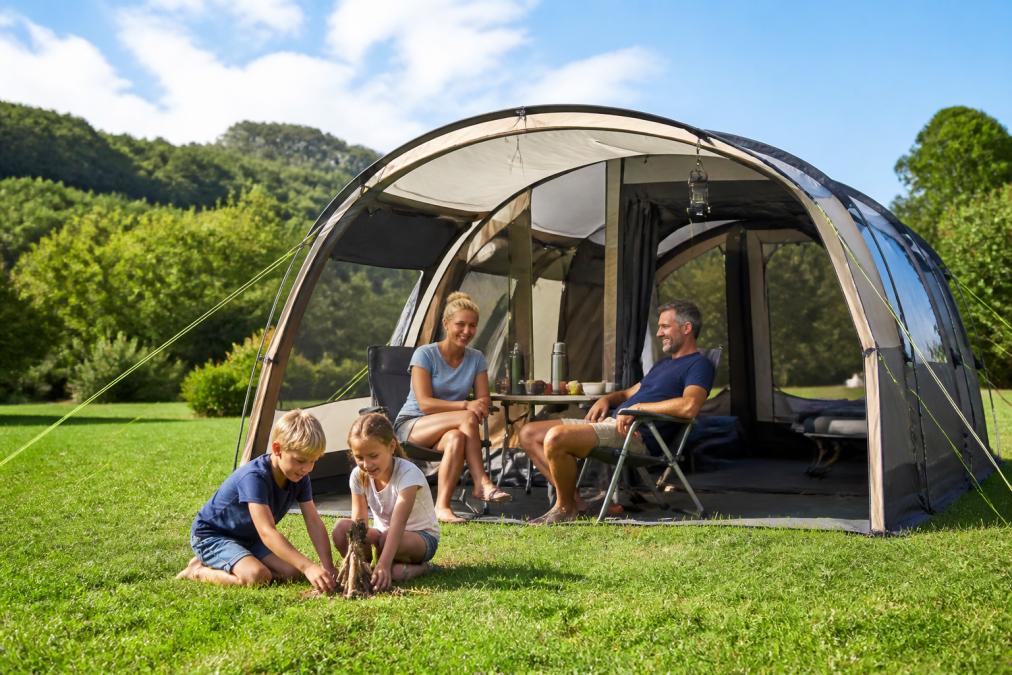
A good tent should be able to accommodate two adults and 2-3 children comfortably and have a separate vestibule for gear and wet items.
Poor ventilation creates condensation traps. Look for tents with large roof and side vents to prevent moisture buildup from sleeping bodies.
Aim for at least 10-12 square meters. Smaller tents cause irritability and conflict when children can't move freely.
A good vestibule is not optional. Here, you store wet things, shoes, and gear without mud getting into the bedroom area. This saves you daily hassle and keeps the inner tent cleaner.
Sleeping Systems: Sleeping Bags and Sleeping Mats for Children
Cold, uncomfortable sleep ruins family trips. The right combination of sleeping mat and child sleeping bag is non-negotiable.
Sleeping mats are more critical than bags; they prevent heat loss to the ground. Choose mats at least 3-4 cm thick with an R-value of 3 or higher.
Children's sleeping bags fit smaller bodies better and retain heat more effectively than adult bags. Buy for temperatures 5-10°C colder than expected lows.
A quality sleeping bag alone is simpler and faster to manage than adding fleece liners when children get cold at night.
The combination of a sleeping mat, sleeping bag, and a light blanket or fleece liner creates a robust system. If a child gets cold at night, you can quickly add the blanket without opening the entire sleeping bag.
Camping Packing List for Families: Don't Forget Anything
A good packing system prevents forgetting essentials and overpacking, and must adapt to your children's ages.
Age-Appropriate Packing Lists: Toddlers vs. School-Aged Children
Toddlers' needs differ greatly from older children's; generic lists lead to duplicate packing.
Additional necessities for toddlers (0-3 years):
- Changing mat and diapers (significantly more than at home, as moisture penetrates faster)
- Wipes in sealed containers (moisture is an issue when camping)
- Teethers and pacifiers (stress and new environments increase the need)
- Light, warm sleeping bags specifically for babies (adult sleeping bags are dangerous, too much space)
- Portable diaper disposal bags (campsites often lack changing stations)
- Extra bedding and mattress protectors (accidents are more frequent)
- Familiar items: Favorite stuffed animal, pacifier, small toys (homesickness is more intense for toddlers). Once the little ones are sleeping soundly, many families start their active day, for which one can prepare a hike with children to discover nature together in a relaxed way.
Instead for school-aged children (4-12 years):
- Fewer diapers, but toilet paper and wipes
- Activity toys: Card games, small puzzle books, sketchpads (boredom is the biggest stress factor)
- Flashlight or headlamp for the child themselves (provides a sense of security in the dark)
- Personal water bottle (children drink more when they have their own bottle)
- Light hiking shoes (not just sandals)
- Insect repellent specifically for children (mosquito bites lead to scratching and infections)
The Three-Category Method: Prioritize Instead of Overpacking
Organize your packing list into three categories:
Category 1 - Non-negotiable (Safety & Sleep):
- Sleeping mat and sleeping bag per child
- Rain jacket and mud pants
- First-aid kit
- Medication (if necessary)
- Toothbrush and toothpaste
- Diapers (for toddlers)
These items are crucial for the success of the trip.
Category 2 - Highly recommended (Comfort & Prevention):
- Additional socks (3-4 pairs per person)
- Fleece or sweater
- Toiletries (soap, shampoo, toothpaste)
- Sunscreen
- Mosquito spray
- Pillows
- Flashlight
These contribute to comfort.
Category 3 - Nice-to-have (Luxury & Entertainment):
Awning Privacy Screen Family Camping Edition →
- Additional T-shirts (beyond the 4-5 base sets)
- Toys
- Books
- Camping pillows with designs
- Awning privacy screen
These are the first items to drop when weight matters.
Weight and Packing Volume: Concrete Benchmarks
If you are traveling by car, weight is less critical. If you are hiking or traveling by public transport, it is crucial.
Packing List Template: The System That Works
| Category | Item | Quantity | Weight | Priority | Notes |
|---|---|---|---|---|---|
| Sleep | Sleeping mat (child) | 1 | 0.8 kg | 1 | R-value at least 3 |
| Sleep | Child's sleeping bag | 1 | 1.2 kg | 1 | For 5°C colder than expected |
| Clothing | Functional clothing (sets) | 4-5 | 1.5 kg | 1 | Dries quickly |
| Clothing | Rain jacket | 1 | 0.4 kg | 1 | Waterproof, not water-repellent |
| Clothing | Mud pants | 1 | 0.3 kg | 1 | Protects pajamas |
| Clothing | Socks (pair) | 4-5 | 0.3 kg | 1 | Wet socks = cold |
| Hygiene | Toothbrush & toothpaste | 1 set | 0.1 kg | 1 | Don't forget dental health |
| Hygiene | Wipes | 1 pack | 0.3 kg | 1 | For hands and face |
| Safety | First-aid kit | 1 | 0.5 kg | 1 | With blister plasters for children |
| Safety | Insect repellent | 1 | 0.2 kg | 2 | Mosquito bites lead to sleep problems |
| Lighting | Headlamp (child) | 1 | 0.2 kg | 2 | Provides a sense of security |
| Toys | Card games / puzzles | 2-3 | 0.3 kg | 2 | Prevents boredom when raining |
| Other | Favorite stuffed animal | 1 | 0.2 kg | 2 | Psychological comfort |
Total weight (Category 1 + 2): about 8-10 kg per child. This is realistic and portable.
The mistake almost everyone makes: Too much clothing
Clothing is often overpacked. Four to five sets of functional underwear and 2-3 pairs of socks can be sufficient for a week if washed regularly.
Pack one rain jacket, a pair of mud pants, a fleece, 4-5 functional sets, 4-5 pairs of socks, and two types of shoes. This can save weight.
After the vacation: Update the list
The best packing list is one that you update after every vacation. Note down:
- What did you forget? (Take it along next time)
- What did you pack too much of? (Leave it out next time)
- What was broken or too small? (Replace or upgrade)
After two or three vacations, you will have a system that really works and that you can use blindly.
Lighting and safety in the tent
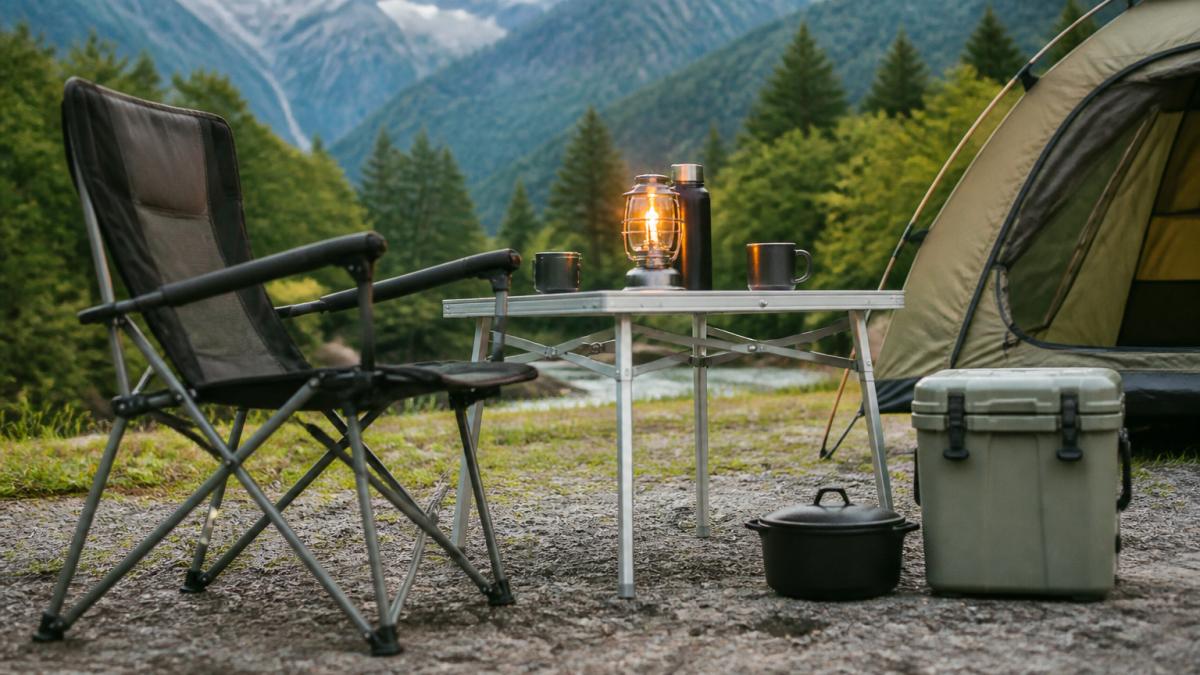
Light in the tent is not just comfort, it is safety. Children who need to go to the toilet at night need a secure light. Parents searching for something in the dark need a reliable lamp.
LED hanging lamps are ideal for families, centered light, no fire risk, and rechargeable models eliminate battery changes.
Campidoo offers the LED hanging lamp Contra 30 cm (900 lumens) for large tents and the Mini hanging lamp Contra (350 lumens) for smaller spaces. Both run up to 20 hours per charge.
Remote dimming lets you calm children afraid of darkness without waking the whole family.
Each adult needs a headlamp for hands-free light during nighttime bathroom trips and guiding children.
Good lighting prevents nighttime tripping hazards and lets parents respond quickly to problems.
Camping gadgets for children: Practical helpers on the go
Not every gadget helps, but a few make camping with children significantly easier.
The inflatable awning floor / waterproof ground sheet with an 8 cm high inflatable rim prevents water from entering on wet surfaces.
Camping with children tips: Psychological preparation and sustainability
The best equipment helps nothing if children are not mentally prepared. Preparation is everything.
Conclusion
The best camping equipment for families with children is not the most expensive. It is the one that works when it counts, keeps your tent warm and dry, keeps your children safe, and is simple enough that you actually use it instead of forgetting it.
Frequently asked questions
What equipment do you really need for camping with children?
The most important camping equipment for families includes a spacious family tent with good ventilation, age-appropriate sleeping bags and sleeping mats for comfort, weatherproof clothing and functional underwear, reliable lighting like the LED hanging lamp Contra, a waterproof ground sheet for the awning area, and a well-organized packing list. Additionally, there is a first-aid kit, toiletries, and family-friendly tableware.
At what age is camping with children sensible?
Camping with children is possible from about 2-3 years old if the basic equipment is right. Toddlers require special attention regarding temperature control and sleeping comfort. School children aged 6 and up can actively help with activities. Psychological preparation and age-appropriate activities can contribute to a positive experience.
How do I properly organize a family camping packing list?
Create a structured family camping packing list by category: sleeping system, clothing, hygiene, kitchen, safety, and activities. Use checklists to tick off and store items in labeled containers. Pack by priority - tent and sleeping system first, toys last. Pay attention to seasonality and test the equipment beforehand on a short trip.
Which camping gadgets for children are really necessary?
Essential camping gadgets for children are robust LED lighting like the Mini hanging lamp Contra (€39.95) for safety, a reliable first-aid kit, headlamps for orientation, mosquito nets for protection, a repair kit for equipment, and age-appropriate activity materials. Also practical are child-sized camping chairs and shatterproof tableware like the melamine sets (from €6.95).
How do I prepare my child psychologically for camping?
Talk to children in advance about the adventure, show pictures of the campsite, and explain what to expect. Start with short trips instead of multi-day adventures. Build positive associations through joint activities like campfires and nature explorations. Ensure enough sleep and retreat possibilities in the tent. A familiar stuffed animal or pillow can help children settle in.