











 About us
 Magazine
 Contact




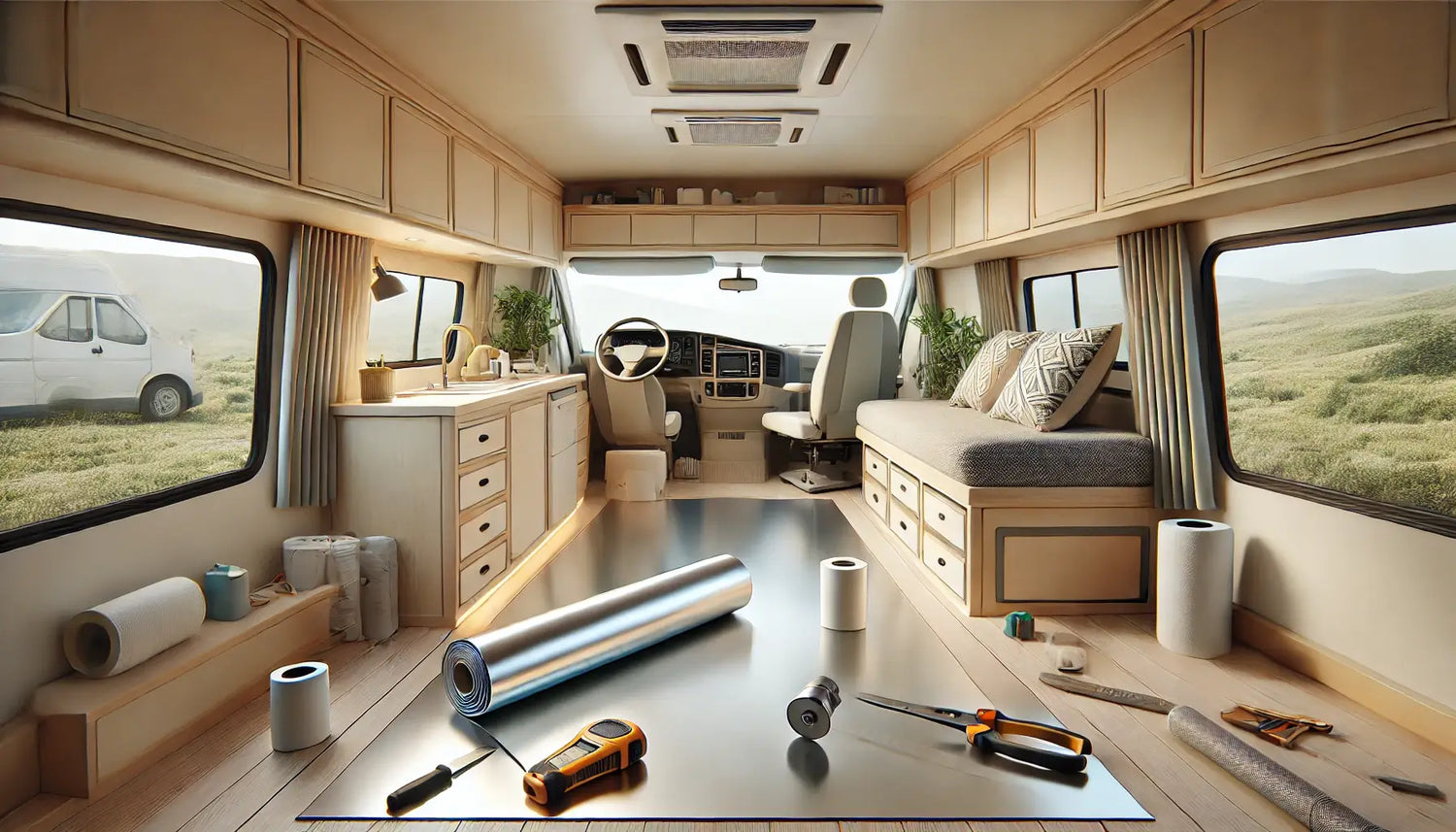

Insulating a campervan is more than just a technical necessity – it's the key to comfortable and enjoyable travel, regardless of the season. Whether it's hot summer days or freezing winter nights, a well-insulated campervan protects against extreme temperatures and ensures a pleasant interior climate. But how do you go about insulating your campervan?
Which materials are best suited, and what should you pay particular attention to? Proper insulation not only saves energy but also increases comfort and extends the lifespan of your vehicle. It protects against cold, heat, and moisture, thus contributing significantly to a stress-free vacation. In this article, we'll show you why insulating your camper is important, what methods are available, and how to achieve the best results – ensuring your trips are always a thoroughly enjoyable experience.
Types of insulation
There are various types of insulation available for campervans, differing depending on the intended use and requirements. Choosing the right material is crucial for achieving optimal results.
Foam materials , such as Armaflex or Styrodur, are particularly popular because they are easy to work with and very effective. They offer high thermal insulation and are also moisture-resistant, making them ideal for interior use.
Insulating films , such as aluminum butyl or multi-layer films, reflect heat and are particularly suitable for windows or doors. These materials are valued for their thin structure, which takes up little space, and are an excellent complement to other insulation materials.
Natural materials , such as sheep's wool, cork, or hemp, are the sustainable alternative. They are environmentally friendly, breathable, and offer good protection against cold and heat. However, they can be susceptible to moisture and require careful processing.
Fiberglass or rock wool insulation is more commonly found in larger vehicles because it is heavier and more difficult to handle. However, it offers excellent insulation, especially in cold weather.
Each type of insulation has its advantages and disadvantages. For an effective solution, it is worthwhile to combine different materials to meet both thermal and acoustic requirements.
Thermal insulation: How to keep your camper warm in winter and cool in summer
Effective thermal insulation is the cornerstone of a comfortable indoor climate in a campervan – regardless of the weather. It ensures that the heat stays out in summer and the warmth stays in during winter. This not only saves energy but also significantly increases comfort.
When insulating a campervan, the right materials play a crucial role. Closed-cell foam like Armaflex is ideal because it offers excellent thermal insulation properties and is also moisture-resistant. Reflective insulating films are a good choice for windows and doors, as they reflect sunlight and keep the interior cool. Proper sealing of the joints is equally important to prevent thermal bridges.
The interplay between wall, floor, and roof insulation is crucial. The roof, in particular, is exposed to significant temperature fluctuations and should therefore be insulated with high-quality material. An additional layer such as carpet or felt on the floor can also improve thermal insulation.
To help you keep track, here's a short table with recommended materials:
| Area | Recommended material | Advantages |
|---|---|---|
| Walls & Roof | Armaflex, Styrodur | High insulation, moisture-resistant |
| Windows & Doors | Alubutyl, insulating foil | Reflects heat, space-saving |
| Floor | Cork, foam mats | Improved thermal insulation |
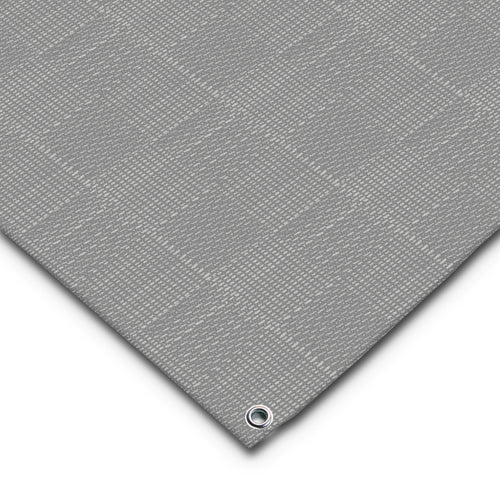
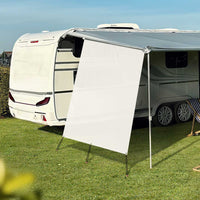
PREMIUM awning carpet with removable wind skirt
Order nowAcoustic insulation
Good acoustic insulation is essential to transforming your camper into a peaceful oasis. Especially at campsites or while driving, external noises like traffic, rain, or voices can disrupt relaxation. With the right insulation, these disturbances can be significantly reduced.
Various materials are used to insulate campervans and effectively dampen sound. Soundproofing mats made of materials like aluminum butyl or bitumen are particularly popular. These are attached to the interior walls, doors, and vehicle floor and dampen vibrations, minimizing noise transmission.
Special foams can also improve acoustics by absorbing sound waves. They are ideal for headliners or side walls. In combination with reflective films , which are often used for thermal insulation, noise can also be dampened, as these films often possess sound-refracting properties.
For maximum effect, ensure comprehensive insulation, especially on sheet metal parts that transmit sound effectively. Good acoustic insulation not only provides peace and quiet but also increases comfort on long journeys – whether you're parked by a tranquil lake or in a bustling city.
Moisture regulation: Protection against mold and condensation in the camper.
Moisture is one of the biggest enemies of campervan insulation. When warm air inside meets cold surfaces, condensation forms. This can penetrate the insulation, promote mold growth, and cause long-term damage to the vehicle. Good moisture control is therefore crucial for extending the campervan's lifespan and maintaining a healthy interior climate.
The first step is choosing a suitable insulation material. Closed-cell foams like Armaflex are moisture-resistant and prevent water from penetrating the insulation. Good ventilation inside is equally important. Regular ventilation and the use of skylights or windows with ventilation systems help regulate humidity.
Vapor barriers can also be useful, especially in areas exposed to significant temperature fluctuations. These membranes prevent moisture from penetrating the insulation. Clean, precise workmanship, without gaps or cracks, is also crucial to avoid thermal bridges.
Tips for effective moisture regulation:
- Use moisture-resistant materials such as Armaflex.
- Install skylights or ventilation systems.
- Use vapor barriers in critical areas.
- Ventilate regularly, especially after cooking or sleeping.
- Check the interior for signs of moisture buildup.

Should I insulate myself or hire a professional?
The decision to insulate the camper yourself or hire a professional depends on your DIY skills, your budget, and your requirements. Both options have their advantages and disadvantages, which you should carefully consider.
DIY insulation is particularly appealing to hobbyists who enjoy customizing their vehicles. It's often cheaper, as you avoid the cost of a professional's labor. Furthermore, you can choose your own materials and install them according to your preferences. However, it requires time, patience, and the necessary expertise. Mistakes during insulation, such as inadequate sealing or incorrect material selection, can become expensive in the long run.
A professional , on the other hand, brings experience and precision. You can be sure that the work will be done expertly, which is especially important for complex requirements such as moisture or acoustic insulation. The disadvantage: The costs are significantly higher, and you have less influence on the execution.
Advantages of self-insulation:
- Cost-effective
- Individual customization
- Learning effect for hobbyists
Disadvantages of self-insulation:
- Time-consuming
- Risk of errors
Advantages for professionals:
- Professional work
- Time saving
- Experience with complex requirements
Disadvantages of a professional:
- High costs
- Less influence on details
Campidoo recommendations
If you want to insulate your camper, Campidoo offers the right products to optimize the interior climate and increase comfort. In our shop, you'll find a carefully selected range of accessories that are both practical and high-quality.
For thermal insulation and protection from sunlight, we recommend our window films . These reflective materials are particularly effective at protecting windows and doors from heat or cold. They are easy to apply and ensure that your camper stays comfortably cool all year round. Thanks to their versatility, they can also contribute to acoustic insulation.
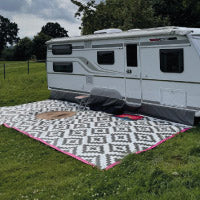
In addition, we offer awning carpets that not only insulate the floor of your awning but also add comfort. These carpets are durable, easy to clean, and perfect for use on campsites. They provide a comfortable surface and protect against cold rising from the ground.
With Campidoo products, you can ensure your camper is optimally insulated, making your travels a comfortable experience. Visit our shop and discover the best solutions for your vehicle!