










 Über uns
 Magazin
 Kontakt








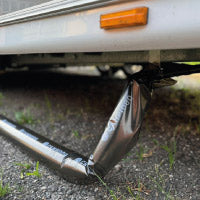




A clean wastewater tank is crucial for hygiene and travel comfort in your camper. Deposits can build up quickly, not only causing unpleasant odors but also putting a strain on the pipes. Regularly cleaning your camper's wastewater tank protects against bacteria, maintains the functionality of the system, and ensures a longer lifespan for the entire wastewater system. Furthermore, your time in the vehicle will be significantly more pleasant, as the kitchen and bathroom will remain free of bothersome smells.
A thorough cleaning can be carried out with simple means and clear steps: empty, soak, rinse, neutralize. Whether with water, natural additives, or special cleaning tablets – various methods ensure that the tank remains hygienic. With the right accessories, this is possible not only at home but also on the road. This way, your motorhome remains reliably ready for use, and you can enjoy every trip without worry.
Why cleaning the wastewater tank is essential
The wastewater tank of a motorhome is in daily use, collecting greywater from the kitchen, shower, and sink. Grease, soap scum, and food particles accumulate, quickly leading to deposits. Without regular cleaning, not only do unpleasant odors develop, but also hygiene risks that can negatively impact the comfort of the vehicle. Furthermore, residues can build up in the pipes, thus burdening the entire wastewater system.
Consistent cleaning ensures that bacterial growth is minimized and the system functions reliably in the long term. Clean tanks prevent damage to seals and connections, thus contributing to the vehicle's longevity. Maintaining hygiene is particularly important during the warmer months, as heat accelerates the growth of germs. Regular tank maintenance prevents unnecessary repairs and preserves the long-term value of your motorhome.
| Advantage | To use |
|---|---|
| hygiene | Prevents the formation of bacteria and germs |
| Odor prevention | Provides fresh air in the vehicle |
| longevity | Protects pipes, seals and connections |
| Functional reliability | Reduces the risk of constipation |
| Preservation of value | Increases the lifespan of the entire motorhome. |
When and how often should you clean the wastewater tank?
Proper maintenance of the wastewater tank depends heavily on usage frequency and external conditions. If the motorhome is only used occasionally for short trips, a thorough cleaning after every second or third trip is usually sufficient. For frequent travel or longer periods of inactivity, it is advisable to clean the tank much more often. Especially in summer, warm temperatures promote the rapid proliferation of bacteria, which can lead to persistent odors. Therefore, the tank should be thoroughly rinsed at least every two weeks or after any intensive use.
A consistent routine makes maintenance particularly straightforward. Rinsing the tank with water immediately after emptying and occasionally using cleaning tablets prevents stubborn deposits from forming in the first place. A thorough cleaning is also essential before extended winter storage to prevent residues from accumulating in the system. This ensures the wastewater system remains functional and free of unpleasant odors.
Incidentally, some campers keep practical tools and accessories alongside their travel gear – similar to useful gifts for campers that noticeably simplify everyday life on the road. This way, the necessary accessories are always readily available, and the fuel tank can be regularly maintained without much effort.
Preparation: The correct procedure before cleaning
Before the actual cleaning of the wastewater tank can begin, careful preparation is crucial. This is the only way to ensure that all steps run smoothly and that the tank is truly hygienically clean at the end. First, the tank should be completely emptied so that no residual amounts interfere with the effectiveness of cleaning agents or rinses. Afterward, it is worthwhile to carefully check the access points and connections to identify any potential damage or leaks early on.
Protecting your own health is also important: When working with grey water, campers come into contact with bacteria and germs, which is why gloves and, if necessary, a face mask are recommended. Gathering the necessary equipment before starting the cleaning process saves time and prevents unnecessary interruptions. This includes water connections, hoses, and cleaning tablets, which should be readily available. Structured preparation not only makes the subsequent cleaning more efficient but also reduces the risk of forgetting steps.
- Empty the tank completely
- Check access points, seals and connections
- Prepare protective equipment such as gloves
- Prepare water connections and hoses
- Have cleaning agents or tablets readily available.

This is how to do it effectively
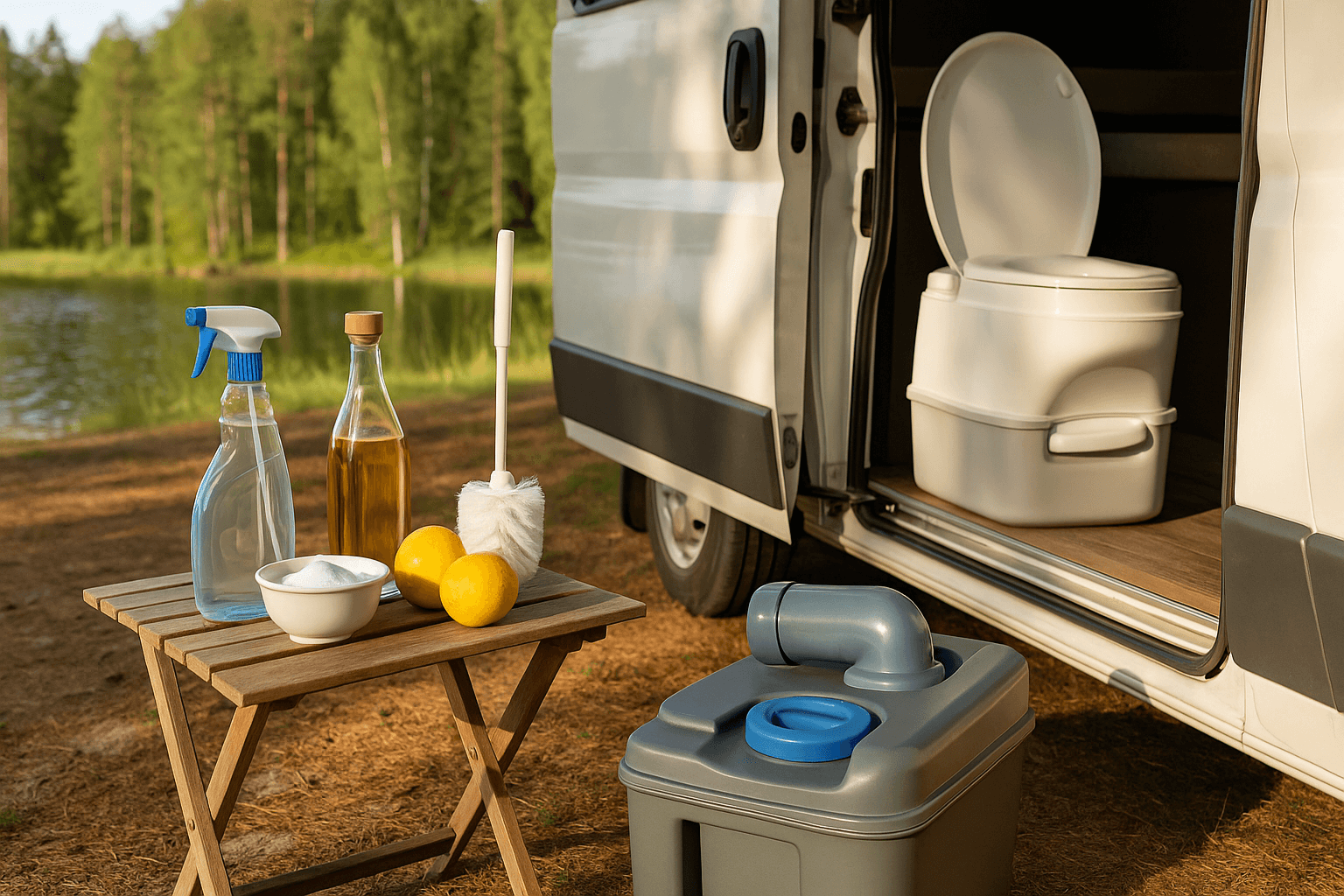
There are various approaches to cleaning the wastewater tank, which can be used depending on the degree of soiling and the available equipment. One of the simplest methods is rinsing with clean water. After emptying the tank, it is rinsed several times with fresh water to flush out loose deposits and residue. This method is particularly suitable for quick cleaning while traveling.
For a significantly more thorough cleaning, use special cleaning agents or tablets that are dissolved in water and poured into the tank. After a certain contact time, they reliably dissolve grease, soap scum, and biofilm. Natural alternatives like vinegar or citric acid can also be very effective if you want to avoid chemical additives. They neutralize odors and have antibacterial properties.
Flushing with a garden hose or special flushing adapters attached directly to the tank connection is also very effective. This creates a powerful jet of water that mechanically loosens deposits. Combined with cleaning agents, this achieves particularly thorough results. Depending on requirements, these methods can also be combined to keep the tank hygienically clean and functioning properly in the long term.

Practical tools for tank cleaning
To ensure quick, thorough, and effortless cleaning of the wastewater tank, the right tools are essential. Special cleaning tablets or liquid cleaners, dissolved in water, are particularly useful, reliably combating grease, soap scum, and odors. They are easy to use and can be conveniently applied even on the go. Flexible hoses are also a good option for easily rinsing the tank. Those who clean regularly should also use a flushing adapter, which connects to the tank's inlet and uses a powerful jet of water to effectively remove deposits.
Brushes and long cleaning rods are also helpful when stubborn dirt needs to be mechanically removed from inside the tank. Additionally, buckets and small collection containers can be useful for disposing of residues. Many campers keep these items in a separate box so everything is readily available. Just as you regularly check the tire pressure on your caravan , tank maintenance should also be part of your routine. With the right equipment, cleaning becomes a simple task that saves time and ensures a consistently hygienic wastewater system.

Recommendations: Products and accessories for thorough tank maintenance
Choosing the right cleaning tools is crucial for keeping your wastewater tank hygienically and reliably clean. Special cleaners dissolve grease, soap scum, and biofilm, while flushing adapters and hoses ensure that even hard-to-reach areas are thoroughly rinsed. Tablets that dissolve in water are particularly convenient, neutralizing odors with minimal effort.
A look at the camper care category reveals which cleaning agents and care products are specifically suited for motorhomes. There you'll find effective solutions for tank hygiene that significantly reduce the effort involved. Those looking to expand their equipment will discover practical helpers in the camper accessories section – from hoses to cleaning adapters – that make cleaning considerably more convenient.
Besides functional accessories, many campers also value individuality. Camper stickers can visually enhance the vehicle and make it unique. This combines tank maintenance with a well-maintained overall appearance for the motorhome. With the right equipment, tank maintenance becomes routine, ensuring hygiene and protecting the vehicle in the long run.
Typical mistakes
Small oversights often creep into the maintenance of wastewater tanks, which can have significant long-term consequences. Knowing the typical mistakes allows you to avoid them and ensures that the wastewater system functions reliably and remains free of unpleasant odors. Many of these errors arise from lack of time or knowledge, but can be prevented with simple routines.
It is particularly problematic if cleaning is only carried out irregularly or even neglected altogether. Using the wrong cleaning tools can also damage the tank or compromise the seals. The danger of not completely emptying the tank and leaving residual water in the system is also often underestimated. This quickly leads to the formation of deposits that are difficult to remove.
- Irregular cleaning promotes bacterial growth and odors.
- Incorrect cleaning agents – aggressive chemicals can damage seals
- Do not empty the tank completely – residual water promotes deposits.
- Cleaning is only superficial – stubborn residues remain.
- No inspection of the connections – small leaks go undetected.
Those who consistently avoid these mistakes not only save themselves trouble and costs, but also maintain the functionality of their motorhome in the long term.
Conclusion on cleaning the wastewater tank of a motorhome
A clean wastewater system is essential for comfort and hygiene in your camper. Regularly cleaning your motorhome's wastewater tank not only prevents unpleasant odors but also ensures the system functions properly. Simple routines like completely emptying the tank, rinsing thoroughly, and using appropriate cleaning agents significantly reduce the risk of buildup or blockages. This keeps your motorhome ready for use at all times and ensures a pleasant stay for everyone.
A combination of mechanical and chemical methods is particularly effective, as it both dissolves deposits and reliably combats bacteria. In addition, suitable tools such as hoses, flushing adapters, and cleaning products contribute to quick and easy cleaning. Those who consistently implement these measures save costs in the long run, avoid repairs, and ensure that their vehicle can be used reliably for many years.